
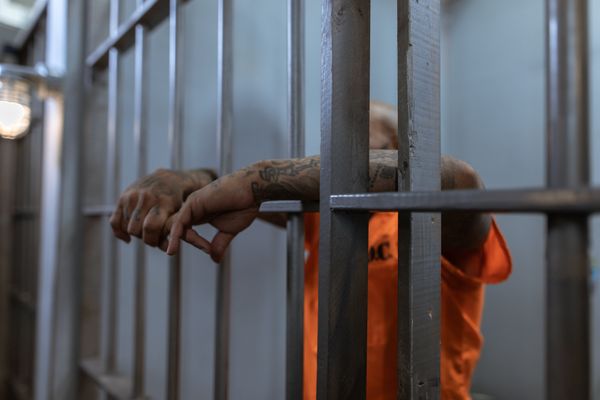
Defendants have the option to leave jail before trial through a bond system; a criminal defense attorney can help with personal and cash bonds. The service areas of the Law Office of David Reed include Travis County. Here is more information about the Travis County Jail release process:
Magistrate Meeting and Bond Setting
After an arrest, the defendant goes through the booking process at the jail. This includes completing an intake questionnaire about mental and physical health; defendants can also make a phone call. Contacting the Law Office of David Reed after arrest allows you to have a defense lawyer present when speaking to law enforcement officers. The Travis County Jail allows attorneys to visit with defendants over a video call system.
Once booking photos and fingerprints are taken, the defendant appears in front of a judge or a magistrate. The judge reads the formal charges, and they advise whether the defendant is able to be released on bail. Eligibility for bonds depends on the defendant’s criminal history and the extent of the allegations.
The judge sets the type of bond and the amount during the hearing; a bond acts as a surety that the individual will appear in court for their trial. Options include surety, cash, and personal bonds. Surety bonds are managed through a bond company. The information about a defendant’s bond appears as the bond line in their charge.
Cash Bonds
With a cash bond, the judge sets the specific cash amount for the defendant’s release. The cash bond can be paid at the defendant’s jail facility, and out-of-county bonds are available for charges in another county. The jail requires that the exact amount be paid through:
- Cash
- Money orders
- Cashier’s check
The court issues a refund order if the defendant appears in court. If the defendant does not appear, the court retains the money, and they issue a warrant for arrest. In Travis County, the county clerk handles the cash funds that are related to Misdemeanor A, B, or sometimes C classes. The Travis County district clerk processes cash related to felony cases.
In cases involving delinquent child support, the cash bond is based on the amount of child support owed by the defendant. The county sends the money to the child support registry and then to the person taking care of the child or children. Unlike standard cash bonds, the court does not refund the money to the person paying the bond; the payment acts as credit for the defendant’s deficient payments.
Personal Bonds
A personal bond is an agreement that the defendant will return to court on the specified date and follow all release conditions. The individual cannot set up a personal bond; an attorney or a pretrial system is required. A criminal defense attorney from the Law Office of David Reed is able to submit a personal bond request, and it must be approved by a judge. Personal bonds do not require a bail amount to be paid. Within seven days of their release, the defendant pays an administration fee of $40 or 3% of their bond amount to the pretrial service.
Release and Post-release Actions
After cash bond payment or personal bond negotiation, the jail releases the individual with their court date. They receive the possessions that they had when they were arrested; this includes clothing and personal items. Defendants should make sure they or their attorney has a copy of their arrest paperwork or citation.
For a DWI, defendants should make sure to request their Administrative License Revocation hearing within 15 days. This hearing is separate from the trial, and the consequence of not attending this hearing can be a license suspension. An attorney is able to represent you and assist with your case’s paperwork. We make sure that defendants meet required deadlines for court filings and help prevent them from missing their court dates.
An attorney reviews the case, and they go over all the documents related to the arrest, such as police reports, medical records, and witness statements. Lawyers check for technical errors, assessing whether the defendant’s rights were violated during the arrest or interrogation. If evidence was obtained incorrectly, the attorney can file a motion to suppress it. A defense attorney can negotiate with prosecutors for a plea agreement. This offers a reduced sentence or charge. Depending on the strength of the evidence, the attorney may ask that the charges be dismissed.
Meet With a Criminal Defense Attorney
Understanding more about the types of bonds and requirements can help the defendant be released from Travis County Jail while awaiting trial. The Law Office of David Reed works with a variety of different cases, including domestic violence, assault, drug charges, and DWI; we are knowledgeable about local laws and court dynamics. To meet with our criminal defense attorney, contact us today for a free consultation.